For independent hosts
Airbnbs have stopped
feeling like Airbnbs.
Staying at someone’s place became staying at a listing — managed, templated, and somehow dearer than a hotel with actual staff. We help independent properties be places again: we take the admin off you, never the personality out of you.
Built by two engineers from Amazon and Billdesk who run a homestay themselves. We built it for our own property first.
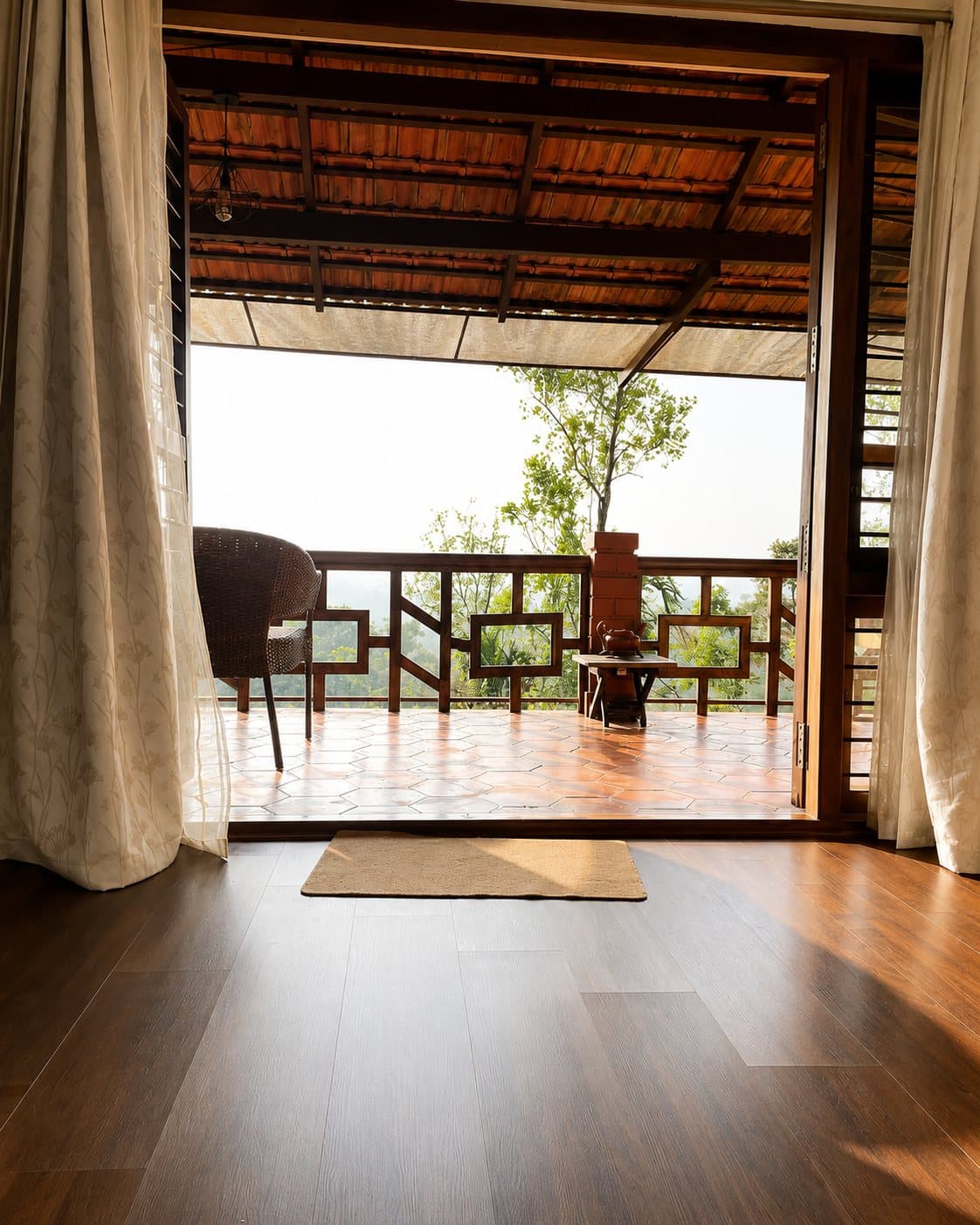
What we think
Somewhere it turned into property management.
Is it just us, or has the quality dropped hard in the last 5–7 years? It's all managed now. The messages feel too formal. Rooms are over done up, sometimes built only for the purpose of bnbing. We get it, we all need the money. But this isn't why Airbnbs should exist.
- 01
It's all managed now
Two messages in and you know you're talking to a management company, not the person whose house it is. That was the one thing the place had that a hotel didn't.
- 02
The messages feel too formal
Because they're templates. Correct, fast, no person in them. Nobody remembers a well-written check-in instruction. They remember being told where to actually eat.
- 03
Rooms are over done up
Built for the listing, not the stay. Arch mirror, cane everything, a neon sign nobody asked for. And nowhere to put your suitcase.
- 04
More expensive than a hotel
Why? You don't have the staff a hotel has. And when they're not expensive, they're pretty much not worth it. The guest loses both ways. This is India specifically — US folks keep yapping about how bad theirs are. Ours are worse.
- 05
The whole idea got lost
Get to know more folks, share the place you live in, earn cash while doing it. That was it. It was never meant to be your career or your main income.
Where we draw the line
We automate the admin. Never the host.
Hosts didn't stop caring. The job just filled up with work that has nothing to do with hospitality — rates, channels, invoices, paperwork, chasing reviews. At some point the only way to cope is to hand the whole thing to someone who runs it like a listing. So we take that work instead. That's the whole idea.
What we take off you
- Rates and availability, everywhere at once
- The 11pm enquiry that just needs a yes or no on dates
- Invoices, GST, deposits, long-stay paperwork
- Listing content, current on every channel
- Review requests, pointed at Google instead of the OTA
- The numbers that tell you what's actually working
What stays yours
- The welcome message, in your words
- Where you send people for dinner
- Who you say yes to
- How your rooms actually look
- The rate you think is fair
- The relationship. All of it.
If a guest can't tell whether they're talking to you or to software, we've built the wrong thing.
Why it happens
Nobody got into this to manage seven browser tabs.
A booking engine, a channel manager, two inboxes, three social apps and your personal WhatsApp. None of them talk to each other. This is what wears hosts down until handing it to a management company starts to sound reasonable. We ran ours this way for years.
- 01
The enquiry that went cold
It came in at 11pm on Instagram. You saw it at 9am. They had already booked somewhere else.
- 02
The rate you forgot to change
You updated Booking.com but not Airbnb, and sold a long-weekend room at a Tuesday price.
- 03
The empty shoulder season
Eight weeks of the year where the rooms sit idle and the fixed costs do not.
- 04
The guest you never heard from again
They loved it. They left a five-star review. Nobody ever followed up.
What it costs you
22–28%
what an OTA booking actually costs you
Commission, preferred-programme uplift, payment processing, campaign spend. On someone who's never heard of you, fine — that's what finding a guest costs. On someone who already stayed with you and liked it? You're just paying rent on your own guest.
How many of your repeat guests still book through an OTA?
Most owners have never worked it out. Whatever the number is, that's the size of the problem.
| What we measure | Typical today | Target |
|---|---|---|
| Direct booking share | 10–20% | 35–50% |
| Contactable past guests | Under 5% | 70%+ |
| Repeat guest rate | Under 5% | 15–25% |
| Cost per direct booking | Unmeasured | Well under OTA commission |
| Trough occupancy — mid-week, off-season | Unmeasured | The real scoreboard |
The order matters more than the effort.
Get the guest list first. Then fix search and the booking flow. Then get people back. Then go make new demand.
- 01
Own the guest
- 02
Catch the demand you already made
- 03
Get them back
- 04
Fill the trough
Social is the strongest thing you've got for making demand. But almost every agency switches it on first, and pours all that reach into a funnel that leaks at every single step below it.
The platform
The bits that actually do the work.
Everything above is the argument. This is how it gets done. Seven things, built to work as one, because separately they're just seven more tabs.
30–180 night stays
The guest who books once and stays four months.
Remote workers, families between houses, film crews, consultants on long projects, people here for medical treatment, retirees waiting out the season. There are a lot of them, they pay well, and almost nobody is selling to them properly.
This is the part nobody else does. We do not wait for an OTA to send you a long-stay guest — we go and find them, qualify them, and bring you the ones worth having.
How mid-term stays workOne mid-term guest replaces dozens of turnovers. Fewer changeovers, less linen, less cleaning, far less coordination.
Mid-term demand does not come from the OTAs. It comes from channels we source directly, so the commission stays with you.
Off-season stops being a hole in the calendar. You know what the next quarter looks like before it arrives.
Getting started
Three steps, and most of the work is ours.
We go through what you've got
One session on your property. Your site, your listings, where enquiries land, your rates, and where the bookings are actually coming from. You get what we find whether or not you sign up.
We plug it all in
OTA channels, WhatsApp Business number, social accounts, your calendar. We rebuild the website. You keep taking bookings the whole time — nothing goes dark.
It runs
Enquiries answered, posts going out, listings in sync, long-stay leads turning up. You check what matters on your phone and get your evenings back.
Who it's for
Independent properties, punching above their weight.
Chains have revenue managers, marketing teams and engineers. You have a property to run. We are the version of that team that fits an independent operator.
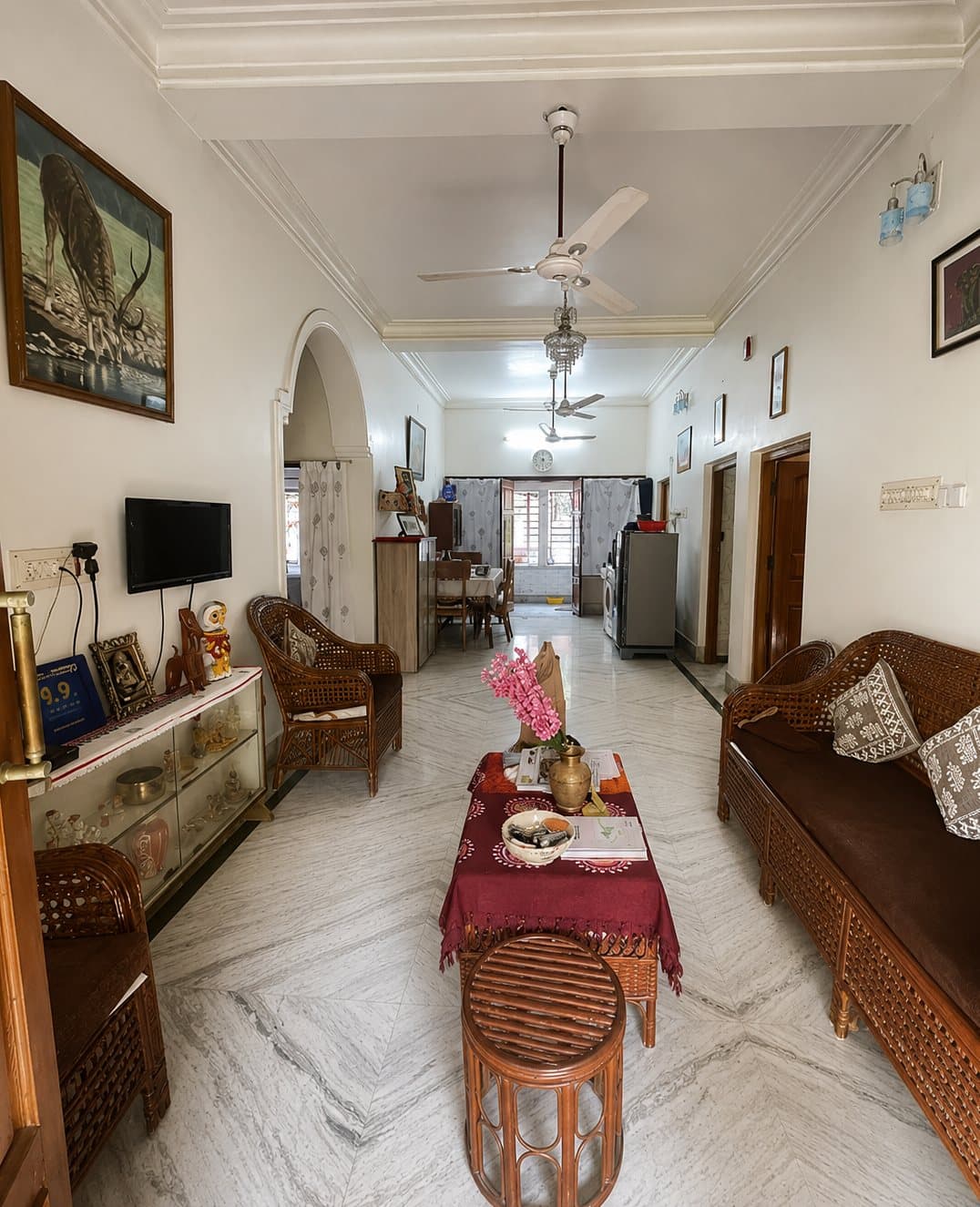
Hotels
Independent and boutique places that want what a chain has, without becoming one.
Resorts
Seasonal properties trying to fill the months either side and stop leaning on the OTAs.
Homestays
Where the person answering the enquiry is also the person making breakfast.
Mid-Term Rentals
Villas and apartments that suit people staying months, not nights.
Who builds it
Two engineers who also run a property.
We are small on purpose. The person who answers your message is the person who can fix the thing you are messaging about — and who has spent their own evenings answering guest enquiries.
Apratim Gupta
Co-founder — Product & Engineering
Spent years at Amazon building systems where a slow page or a failed request costs real money at real scale. Brings that same standard to a 12-room homestay: your guest should never wait, and nothing should ever quietly break.
Rupanjana Mitra
Co-founder — Payments & Platform
Built payment infrastructure at Billdesk, where money moving correctly is the entire job. Owns everything in the platform that touches a rupee — deposits, staged payments, refunds and reconciliation.
Questions
The things owners ask us first.
Hang on — isn't automation the thing you're complaining about?
Fair question, and we've asked ourselves the same one. The difference is what gets automated. A management company automates the host away, so the guest ends up talking to a template. We automate the rate updates, the channel sync, the invoices, the paperwork — the stuff that made hosting feel like a job. You still write the welcome message. You still decide who stays. If a guest can't tell whether they're talking to you or to software, we've built the wrong thing.
Do you actually use this yourselves?
Yes. We run a homestay, and it was the first place on the platform. Every bit of this exists because we needed it — the 11pm enquiry, the listings drifting out of sync, the months where nobody comes. Nothing reaches your property that we haven't already lived with at ours.
Are you an agency or a software product?
Both, on purpose. You get the software and you get us running it. Most owners don't want another dashboard to learn, they want the work done. We built the software so two people can do what a ten-person agency would bill you for.
Do I have to leave Booking.com and Airbnb?
No. We run those listings for you and keep them synced. The point isn't to quit the OTAs. It's to stop being dependent on them, by growing everything else alongside.
What size property is this for?
Four-room homestay up to a mid-sized resort. If you're big enough to employ a revenue manager and a marketing team, you probably don't need us.
Will AI be talking to my guests?
For the first reply, dates and the usual questions — yes, because whoever answers first usually gets the booking. It writes in your voice, and anything unusual comes straight to you. You can read every conversation. And you can turn it off.
How long does setup take?
Two to three weeks for most places, depending on how fast OTA and WhatsApp Business approvals come through. The website usually goes up first.
What does it cost?
A flat monthly fee, plus a cut of the long-stay bookings we find for you. Nothing on your own direct bookings — those are yours. We'll give you real numbers on the call.
Something we have not covered? Ask us directly.
Next step
Want to see it on your place?
Twenty minutes. We look at your property, your listings and where your bookings actually come from, and show you what we'd do with them. No slides.